
Exterior Warning Signs
IF YOU SEE THIS,
CALL US.
What these signs can mean
Small warning signs can point to a bigger moisture problem.
Visible damage does not always mean the whole exterior needs replacement. An inspection can find the source, show how far the damage extends, and determine whether a focused repair will solve it.
What to look for
Four signs worth having checked.
Open any warning sign for its common causes, why it matters, and what T.E.C. can inspect or repair.
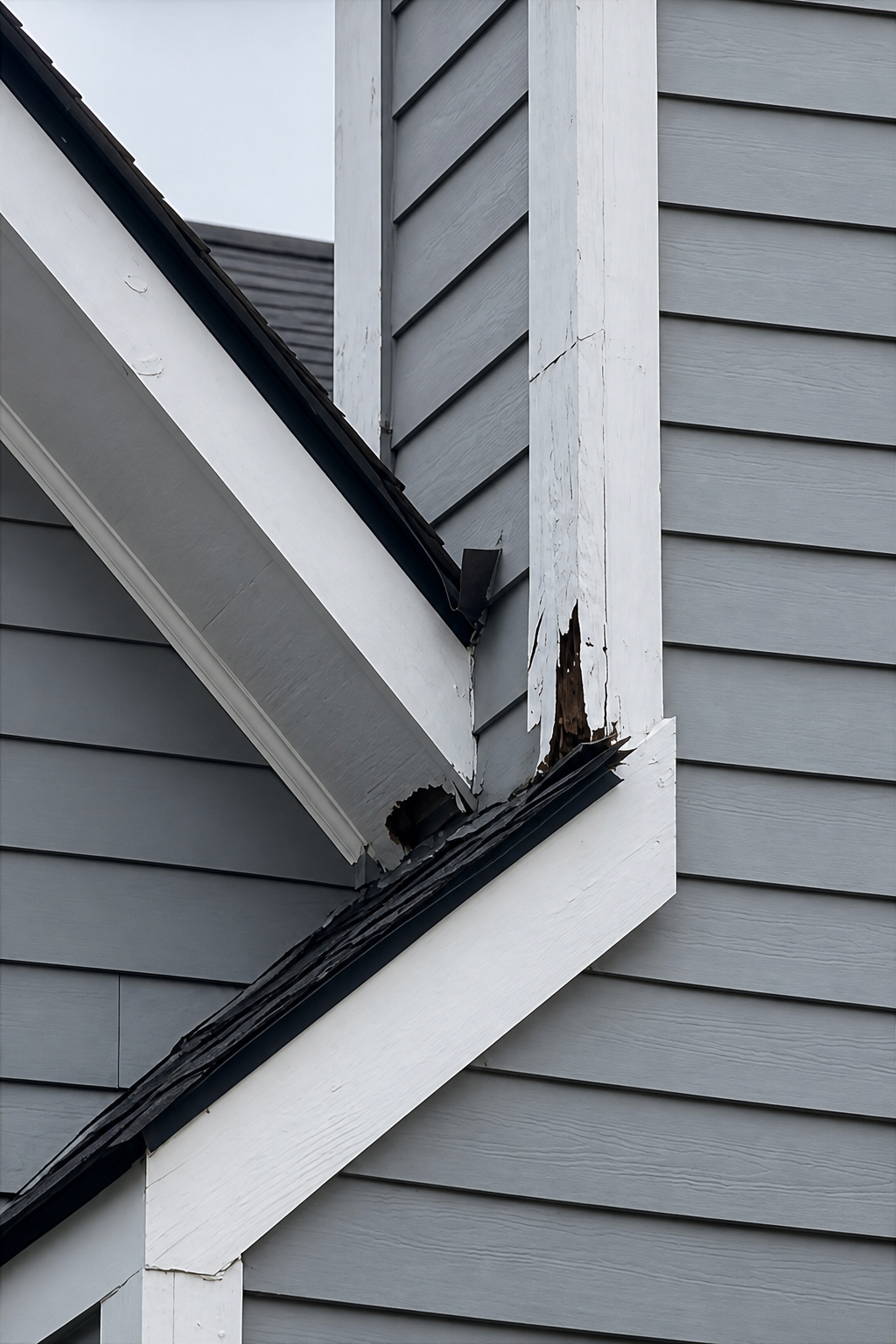
01Exterior wood & trimDeteriorated exterior trim+
- What you’re looking at
- Splitting, peeling, darkening, or missing wood where exterior trim meets siding, roofing, or another transition.
- What commonly causes it
- Failed caulk or paint, persistent moisture, poor flashing, roof runoff, and the Lowcountry’s humid coastal conditions.
- Why it should not be ignored
- Damaged trim can provide a path for water to reach the wall assembly, sheathing, or framing behind the visible exterior.
- What T.E.C. can inspect or repair
- T.E.C. can trace the likely water-entry point, inspect nearby siding, flashing, sheathing, and wall framing, remove damaged material, and rebuild the affected area with properly protected components.
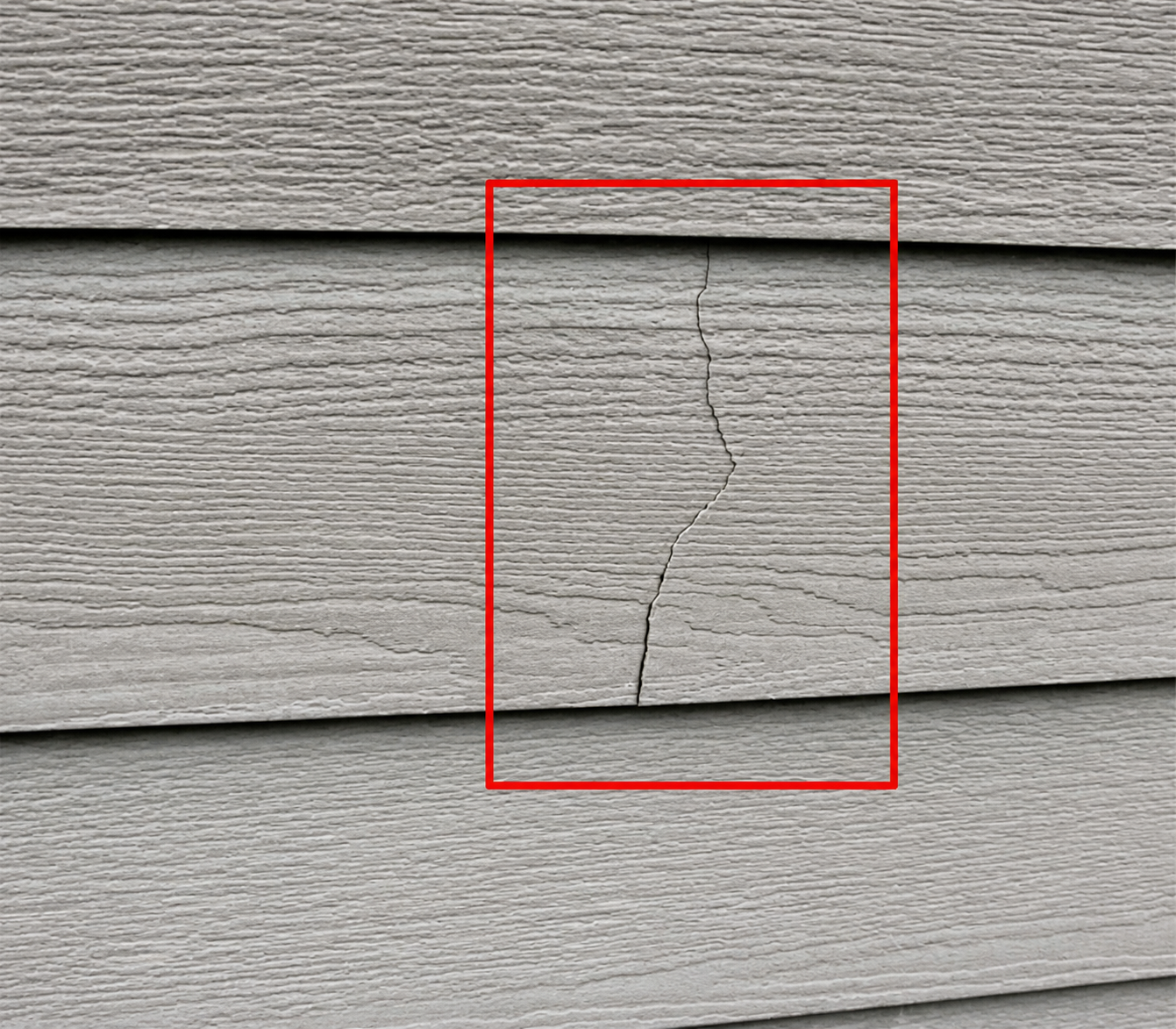
02Siding damageA crack through a siding board+
- What you’re looking at
- A visible fracture through an individual siding board. Even a narrow crack interrupts the home’s protective exterior surface.
- What commonly causes it
- Impact, improper fastening, installation stress, building movement, or long-term exposure to heat, rain, and changing temperatures.
- Why it should not be ignored
- The opening may admit wind-driven rain and can worsen as the material expands, contracts, or moves.
- What T.E.C. can inspect or repair
- T.E.C. can determine whether the damage is isolated or part of a wider installation issue, repair affected boards, and inspect the moisture barrier, substrate, sheathing, and wall framing behind them.
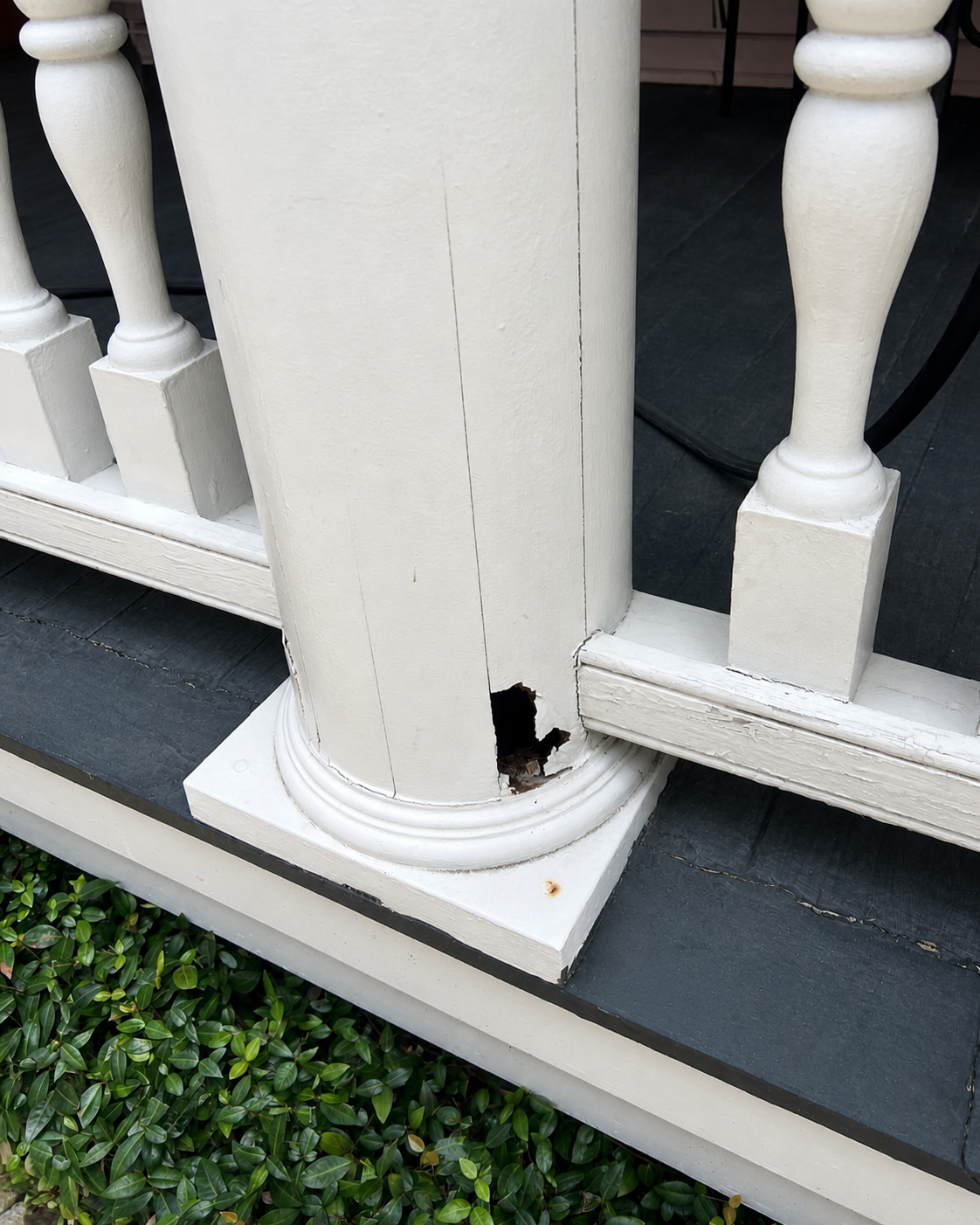
03Porches & columnsRot at the base of a porch column+
- What you’re looking at
- Softened, broken, or missing material near the base of a porch column. Paint may remain intact around the area even when the wood beneath it has begun to deteriorate.
- What commonly causes it
- Repeated moisture exposure, poor drainage, failed coatings, or inadequate separation between the column and a wet porch surface.
- Why it should not be ignored
- Surface deterioration can extend into concealed wood. Left unaddressed, it may spread and eventually affect the column’s performance.
- What T.E.C. can inspect or repair
- T.E.C. can inspect the column, its base, nearby trim, the porch surface, structural framing, and the likely moisture source. We can repair deteriorated components or recommend replacement when needed.
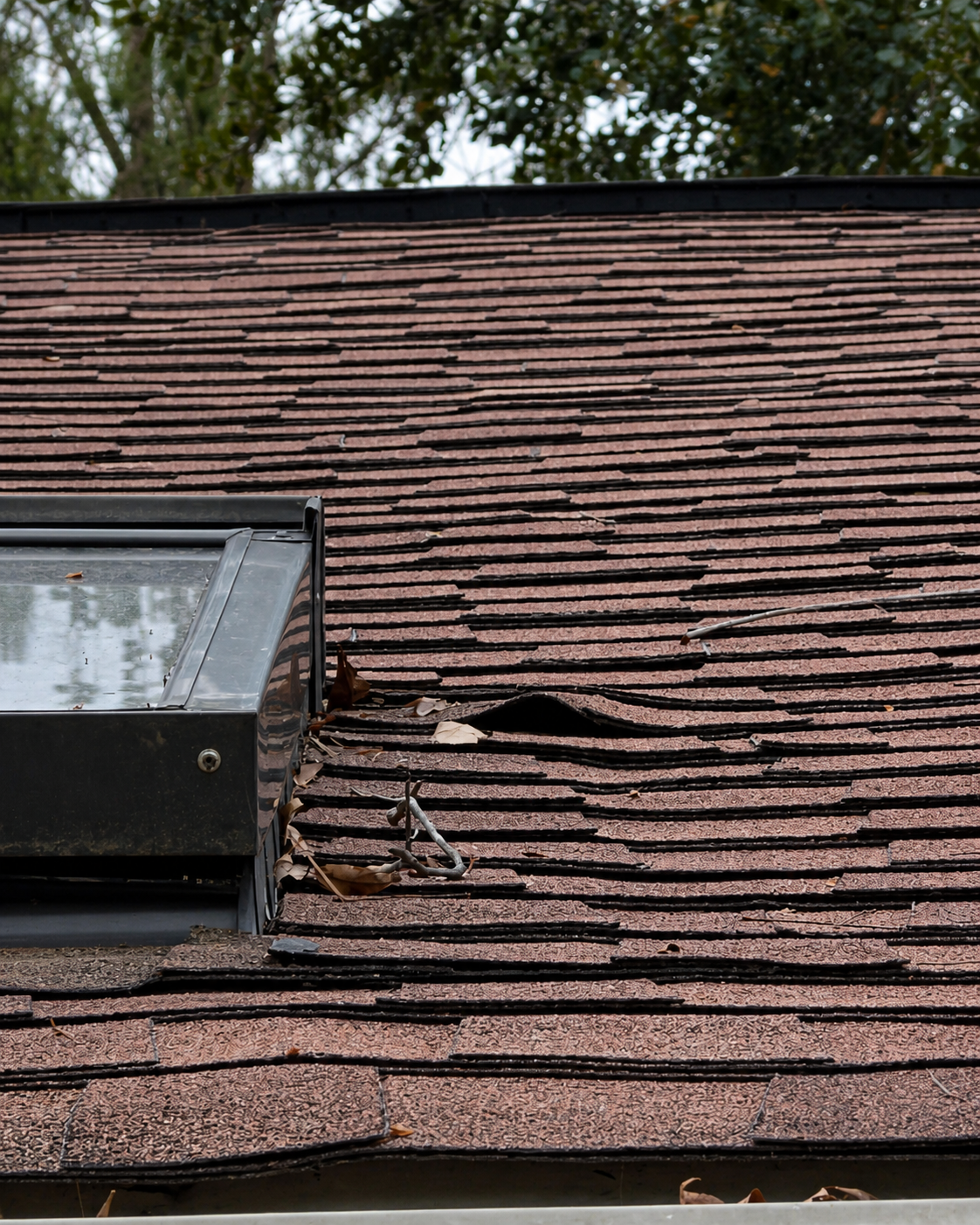
04Roof deteriorationLifted, broken, or deteriorated roofing+
- What you’re looking at
- Shingles that are lifted, curled, broken, displaced, or visibly worn. These conditions interrupt the roof’s intended water-shedding surface.
- What commonly causes it
- Age, UV exposure, wind uplift, storm damage, trapped moisture, or fastening and installation failures.
- Why it should not be ignored
- Roof deterioration can compromise water protection before an interior stain or active leak becomes visible.
- What T.E.C. can inspect or repair
- T.E.C. can inspect the affected shingles, nearby flashing and penetrations, visible underlayment, roof decking, and accessible framing to recommend a focused repair or replacement scope.
A closer look
What an exterior inspection can cover.
Water can enter in one place and show up somewhere else. We inspect the damaged area and nearby siding, trim, flashing, roofing, drainage, and accessible framing for hidden rot or structural deterioration.
- 01Siding and trim condition
- 02Porch columns and structural wood
- 03Roof surfaces, penetrations, and flashing
- 04Water-entry paths, hidden rot, and water-damaged framing
- 05Repair-versus-replacement recommendations
Talk with T.E.C.
Not sure how serious the damage is?
We can inspect the area, explain what we find, and recommend the right level of repair.